
How to Transport Oversized Machinery with an Industrial Packing and Moving Service in India?
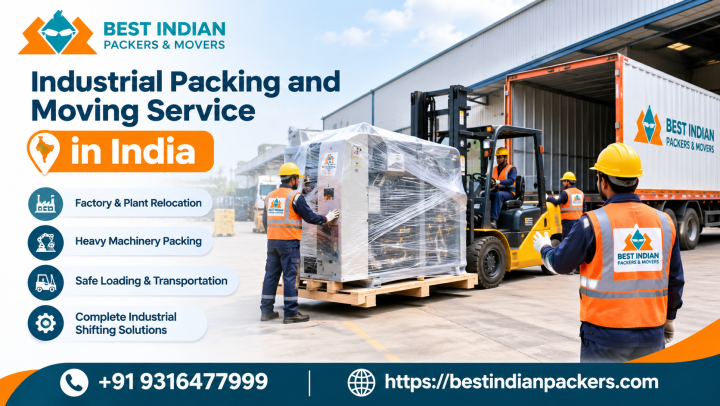
Transporting oversized machinery is a complex task that requires careful planning, specialised equipment, and professional handling. Unlike regular household or office relocations, industrial machinery often involves heavy components, unusual dimensions, and sensitive mechanical systems. Even a minor handling mistake can cause expensive damage or operational delays.
Therefore, businesses must follow a structured transportation process to ensure safe and timely delivery. Working with an experienced industrial packing and moving service in India helps simplify this process. From machinery inspection and dismantling to specialised packing, loading, and transportation, professional movers manage every stage with precision.
Assess the Machinery Before Transportation
The first step in transporting oversized machinery is conducting a detailed assessment. Every machine has different transportation requirements depending on its dimensions, weight, design, and operating mechanism.
A professional moving team typically evaluates:
Dimensions and weight: Determines the vehicle capacity and transportation arrangements.
Machine configuration: Identifies detachable components and sensitive parts.
Centre of gravity: Helps determine safe lifting and loading positions.
Fragile components: Identifies electrical panels, control systems, and precision instruments.
Transportation restrictions: Highlights possible road, bridge, and clearance limitations.
This assessment helps movers develop a suitable transportation plan. It also reduces the possibility of unexpected challenges during loading and transit.
Plan the Transportation Route Carefully
Oversized machinery cannot always travel through standard transportation routes. Narrow roads, low bridges, overhead cables, sharp turns, and weight restrictions can create significant difficulties.
Therefore, route planning is an essential part of industrial transportation.
Professional movers consider several factors before finalising the route:
Road width and turning radius.
Bridge height and weight restrictions.
Highway regulations and transportation permissions.
Construction zones and road conditions.
Distance between the pickup and delivery locations.
Accessibility of the destination facility.
In India, certain oversized or over-dimensional cargo movements may require special permissions from relevant road authorities. Depending on the machinery and route, transporters must also arrange suitable escorts and follow applicable safety regulations.
Proper route planning helps prevent unnecessary delays and ensures that machinery reaches its destination safely.
Dismantle Machinery Wherever Necessary
Some industrial machines are too large to transport in their assembled condition. In such situations, dismantling specific components makes transportation easier and safer.
However, dismantling requires technical knowledge and careful execution.
The process generally includes:
Disconnecting electrical and power connections.
Removing detachable mechanical components.
Separating oversized sections where possible.
Labelling individual components for identification.
Recording assembly details and connections.
Protecting exposed mechanical and electrical parts.
Proper documentation is particularly important because it simplifies reassembly at the destination.
Businesses should ensure that qualified technicians or trained personnel handle sensitive dismantling procedures. This prevents accidental damage and helps maintain the machinery's original configuration.
Choose the Right Industrial Packing Materials
Packing oversized machinery requires more than ordinary cardboard boxes and wrapping materials. Industrial equipment needs specialised protective solutions based on its size, weight, construction, and sensitivity.
Some commonly used industrial packing materials include:
Wooden crates: Provide structural protection for heavy machinery and detachable components.
Industrial-grade plastic wrapping: Protects equipment against dust and moisture.
Bubble wrapping and foam padding: Reduce the impact of minor vibrations and shocks.
Anti-corrosion materials: Help protect metal surfaces during extended transportation.
Waterproof covers: Minimise exposure to rain and environmental moisture.
Shock-absorbing materials: Provide additional protection for delicate components.
The packing method should also account for the machine's centre of gravity and lifting requirements.
A reliable industrial packing and moving service in India understands how to select suitable materials for different machinery categories. Proper packaging reduces transportation risks and helps equipment remain in good condition throughout the journey.
Use Specialised Vehicles and Heavy-Lifting Equipment
Oversized machinery often requires specialised transportation vehicles instead of conventional trucks.
Depending on the machinery's weight and dimensions, transporters may use:
Flatbed trailers.
Low-bed trailers.
Hydraulic axle trailers.
Multi-axle heavy-duty vehicles.
Extendable trailers for exceptionally long equipment.
Heavy-lifting equipment is equally important during loading and unloading. Cranes, forklifts, hydraulic jacks, and specialised lifting systems help move machinery safely.
Before lifting, the team should verify the equipment's load capacity, lifting points, and stability. Properly securing machinery also prevents shifting during transportation.
Selecting the right vehicle and lifting equipment helps minimise mechanical stress and protects both the cargo and transportation personnel.
Secure Machinery Properly During Transit
Even when machinery is packed correctly, improper securing can create serious transportation problems. Sudden braking, road vibrations, sharp turns, and uneven surfaces can cause heavy equipment to move inside the vehicle.
To prevent this, professional Industrial Shifting Services use suitable securing techniques.
These may include:
Heavy-duty ratchet straps.
Industrial-grade chains.
Steel supports and blocking systems.
Anti-slip mats.
Custom-built wooden supports.
Load distribution arrangements.
The machinery must remain stable without placing excessive pressure on sensitive components.
Drivers should also follow appropriate speed limits and avoid sudden movements whenever possible. Regular inspections during long-distance transportation provide additional assurance that the cargo remains secure.
Arrange Insurance and Transportation Documentation
Transporting oversized machinery involves considerable financial responsibility. Therefore, businesses should consider appropriate transit insurance before beginning the relocation process.
Insurance coverage can help protect against eligible losses or damage during transportation, subject to the policy's terms and exclusions.
Businesses should also prepare the necessary transportation documents, which may include:
Commercial invoices and packing lists.
E-way bills, wherever applicable.
Goods consignment notes.
Machinery identification and ownership documents.
Applicable over-dimensional cargo permissions.
Insurance documentation.
Route-specific approvals, where required.
Having the correct paperwork ready helps reduce administrative delays and supports regulatory compliance.
Inspect Machinery After Delivery
The transportation process does not end when machinery reaches its destination. A detailed inspection is necessary before installation and operation.
The receiving team should check the packaging for visible damage, verify the condition of individual components, and compare the delivered equipment against the original inventory.
Important inspection activities include:
Checking for dents, cracks, and external damage.
Examining electrical connections and mechanical components.
Verifying that all dismantled parts are present.
Inspecting moisture-sensitive areas.
Confirming the condition of control panels and instruments.
Arranging professional reassembly and testing.
Businesses should document any visible transportation damage immediately and notify the transporter and insurer according to the applicable reporting requirements.
A proper post-delivery inspection ensures that machinery is ready for installation and helps prevent operational complications.
End Notes
Transporting oversized machinery requires technical expertise, specialised packing materials, suitable vehicles, and careful coordination at every stage. From initial inspection and dismantling to route planning, heavy lifting, secure transportation, and final installation, each step contributes to a successful industrial relocation. Choosing an experienced moving partner can help businesses minimise transportation risks, protect valuable equipment, and reduce unnecessary downtime.
For businesses planning complex machinery relocation, Best Indian Packers & Movers offers industrial shifting solutions designed to support the safe packing, handling, and transportation of industrial equipment. Explore our industrial packing and moving service in India to understand how professional assistance can make your next machinery relocation more organised, secure, and efficient.
FAQs
1. How is oversized industrial machinery transported in India?
Oversized industrial machinery is transported using specialised vehicles such as flatbed trailers, low-bed trailers, and multi-axle trucks. The process involves machinery assessment, dismantling, protective packing, heavy lifting, route planning, and secure loading.
2. Why is specialised packing important for oversized machinery?
Specialised packing protects machinery against vibrations, moisture, dust, corrosion, and physical impact during transportation. Materials such as wooden crates, industrial wrapping, foam padding, and waterproof covers help minimise potential damage.
3. What equipment is required to move heavy industrial machinery?
Moving heavy machinery may require cranes, forklifts, hydraulic jacks, heavy-duty lifting systems, flatbed trailers, and low-bed vehicles. The equipment depends on the machinery's dimensions, weight, and transportation requirements.
4. Do oversized machinery movements require special transportation permissions in India?
Yes, certain oversized or over-dimensional cargo movements may require special permissions from relevant authorities. Requirements depend on the cargo dimensions, weight, vehicle configuration, and transportation route.
Published by BIPM Relocation Advisory Desk
Verified logistics and shifting guides curated by ISO 9001:2008 and IBA approved moving specialists.